What is Colorful Holi Fiesta? 🌈
TheColorful Holi Fiestais one of India's most vibrant and joyous festivals, celebrated with immense enthusiasm across the country and by Indian communities worldwide. Known as the "festival of colors" or "festival of love," Holi marks the arrival of spring and the victory of good over evil.
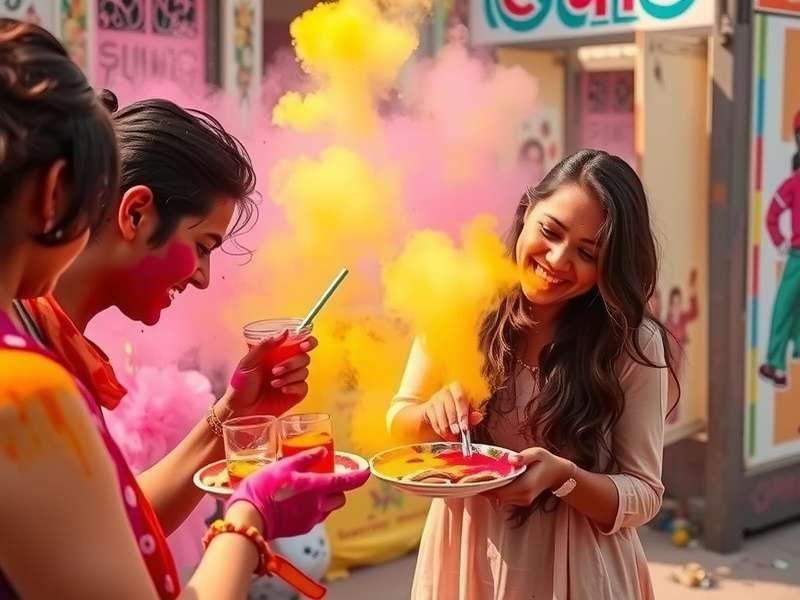
This exuberant celebration transforms streets, parks, and homes into a kaleidoscope of colors as people play with gulal (colored powders) and spray colored water on each other. TheColorful Holi Fiestabreaks down social barriers, bringing together people of all ages, castes, and backgrounds in a shared experience of joy and camaraderie.
Did You Know?
Holi celebrations begin on the night before the main day with Holika Dahan, where people gather to perform religious rituals around a bonfire, praying for the destruction of their internal evil.
The festival typically falls in March, according to the Gregorian calendar, and is observed on the full moon day (Purnima) of the Hindu lunar month of Phalguna. The timing aligns with the changing seasons, celebrating the end of winter and the beginning of spring's vibrant colors.
Historical Origins and Mythology 📜
The origins of theColorful Holi Fiestaare deeply rooted in Hindu mythology, with several legends explaining its significance. The most prominent story involves the demon king Hiranyakashipu, his son Prahlada, and his sister Holika.
The Legend of Prahlada and Holika
According to Hindu scriptures, Hiranyakashipu was a powerful demon king who had received a boon making him nearly invincible. He grew arrogant and demanded that everyone worship him as a god. However, his own son Prahlada remained devoted to Lord Vishnu.
Enraged by his son's disobedience, Hiranyakashipu subjected Prahlada to various life-threatening punishments. When these failed, the king's sister Holika, who had a magical cloak that protected her from fire, tricked Prahlada into sitting with her in a blazing fire. However, due to Prahlada's unwavering devotion, the cloak flew from Holika to protect him, and she burned to death instead.
Symbolic Meaning
The Holika Dahan bonfire symbolizes the burning of Holika and the triumph of good over evil, faith over arrogance, and devotion over deception.
Other Mythological Connections
Another popular legend associated with Holi involves Lord Krishna and Radha. The young Krishna, who had dark blue skin, was worried whether the fair-skinned Radha would like him. His mother Yashoda playfully suggested he could color Radha's face with colors. This developed into a tradition where Krishna would play colors with Radha and other gopis (milkmaids).
This playful aspect of the divine couple's relationship is reenacted during theColorful Holi Fiesta, particularly in the Braj region of India (Mathura, Vrindavan, Barsana, and Nandgaon), where celebrations are especially elaborate and extend for over a week.
How is Holi Celebrated? 🎉
TheColorful Holi Fiestais celebrated with unique traditions that vary across different regions of India, but share common elements of color play, music, dance, and festive foods.
Two Days of Celebration
Holi is typically celebrated over two main days:
Holika Dahan (Chhoti Holi)
The first evening involves lighting bonfires to symbolize the burning of evil. People perform rituals, sing religious songs, and offer prayers.
Rangwali Holi (Dhulandi)
The second day is the main event where people play with colors, water guns, and balloons filled with colored water.
Traditional Colors and Their Significance
Originally, Holi colors were made from natural sources like flowers and herbs. Each color carries symbolic meaning:
Red
Love, fertility, marriage
Green
Nature, new beginnings
Blue
Divinity, Krishna
Yellow
Turmeric, auspiciousness
Purple
Magic, mystery
Orange
Endurance, strength
Traditional Holi Foods and Drinks
No Indian festival is complete without special culinary treats, and Holi is no exception. Traditional foods add to the festive spirit:
- Gujiya:Sweet dumplings filled with khoya and dry fruits
- Thandai:A cooling drink made with milk, nuts, and spices, sometimes including bhang (cannabis)
- Puran Poli:Sweet flatbread stuffed with lentil and jaggery filling
- Dahi Vada:Lentil dumplings in yogurt sauce
- Malpua:Sweet pancakes served with rabri (thickened sweetened milk)
Music and Dance
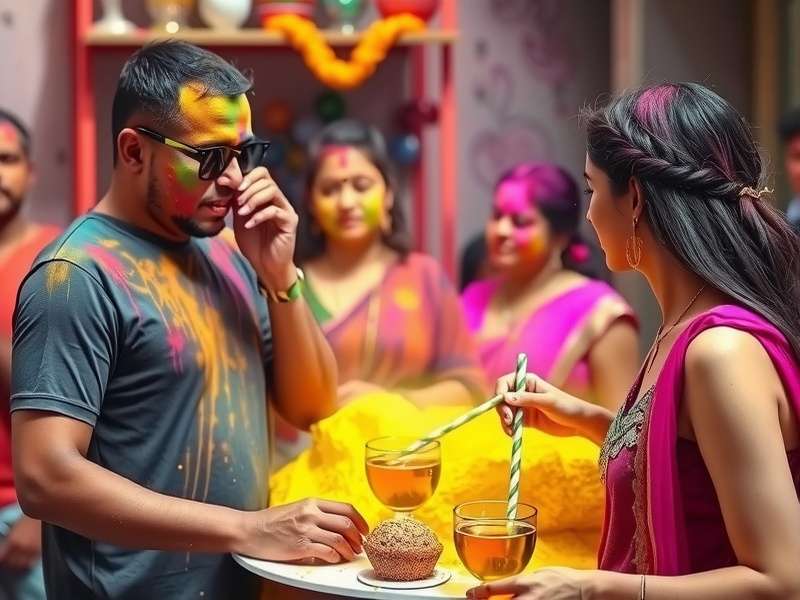
TheColorful Holi Fiestais accompanied by lively music, traditional folk songs called "Holi geet," and energetic dancing. In many communities, people gather to sing and dance to drums (dholak) and other traditional instruments.
Modern celebrations often include Bollywood Holi songs and DJ music, blending traditional and contemporary elements to create an electrifying atmosphere.
Cultural and Social Significance 🌍
Beyond its religious origins, theColorful Holi Fiestaholds profound social and cultural significance in Indian society and increasingly across the global community.
Social Harmony and Equality
Holi is often called the "great equalizer" as it temporarily dissolves social hierarchies and barriers. During the festival, distinctions of caste, class, age, and gender become less pronounced as everyone participates equally in the color play.
The tradition of applying colors to each other's faces creates a sense of shared identity and camaraderie. The phrase "Bura na mano, Holi hai" ("Don't mind, it's Holi") gives people license to playfully color anyone they meet, breaking down formal social boundaries.
Community Building
Holi strengthens community bonds as neighbors, friends, and even strangers come together to celebrate, share food, and resolve conflicts.
Psychological and Emotional Benefits
The uninhibited playfulness of Holi provides psychological release from everyday social constraints. The festival allows people to:
- Express joy and celebration freely
- Release pent-up emotions and stress
- Forgive past grievances and start anew
- Strengthen interpersonal relationships
- Experience childlike playfulness regardless of age
- Connect with community on a deeper level
- Celebrate the changing seasons and renewal
- Experience cultural identity and belonging
Agricultural Significance
As a spring festival, Holi also marks agricultural importance. The timing coincides with the Rabi crop harvest, particularly wheat, in northern India. The festival celebrates nature's bounty and the vibrant colors of spring flowers in full bloom.
In rural communities, Holi celebrations are closely tied to agricultural cycles, with farmers offering the first harvest to deities and celebrating the successful yield before the hot summer months.
Modern Celebrations and Global Spread 🌐
While retaining its traditional roots, theColorful Holi Fiestahas evolved with modern times and spread far beyond India's borders, becoming a global phenomenon celebrated by diverse communities.
Holi in the Digital Age
Technology has transformed how Holi is celebrated and shared:
Social Media Holi
People share colorful photos and videos using hashtags like #HoliFestival and #FestivalOfColors, creating global visibility.
Virtual Celebrations
During the COVID-19 pandemic, virtual Holi celebrations emerged, allowing people to connect online while maintaining social distancing.
Eco-Friendly Holi Movements
Growing environmental awareness has led to campaigns for a more sustainable Holi celebration:
- Natural Colors:Revival of traditional plant-based colors to avoid chemical-laden alternatives
- Water Conservation:Encouraging dry Holi celebrations to address water scarcity issues
- Community Clean-ups:Organized efforts to clean public spaces after celebrations
- Alternative Celebrations:Flower petal Holi and other creative approaches that minimize environmental impact
Global Spread of Holi
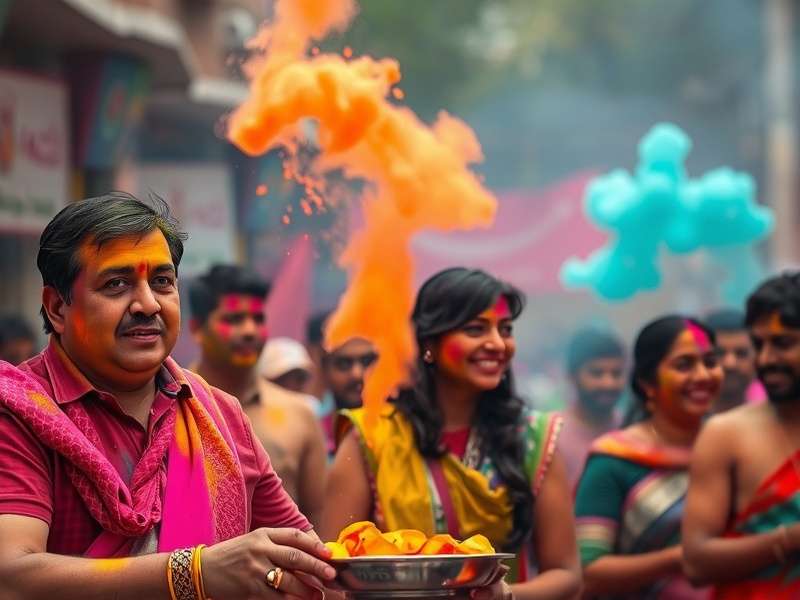
TheColorful Holi Fiestahas become an international celebration, embraced by diverse cultures worldwide:
- United States:Major cities host large-scale Holi events in public parks
- United Kingdom:Large celebrations in cities with significant Indian diaspora
- Australia:Growing popularity with both Indian communities and locals
- Southeast Asia:Celebrated in countries with historical Indian cultural influence
- Europe:Music festivals and cultural events incorporating Holi elements
This global adoption reflects the universal appeal of the festival's messages of joy, color, and unity.
Commercial and Tourism Impact
The growing popularity of Holi has created significant economic opportunities:
Holi Tourism
International travelers specifically plan visits to India to experience authentic Holi celebrations
Festival Economy
Increased sales of colors, traditional clothing, sweets, and party supplies
Event Industry
Growth of organized Holi parties, concerts, and cultural events worldwide