Overview of Kochi Rugby Kings Grand
TheKochi Rugby Kings Grandrepresents a groundbreaking sports initiative that has transformed the athletic landscape of Southern India. This premier rugby championship has emerged as one of the most anticipated sporting events in Kerala, drawing participants and spectators from across the country and beyond.
Key Fact
TheKochi Rugby Kings Grandtournament has grown from a local competition with 4 teams in 2015 to a national-level championship featuring 12 professional teams by 2023.
What sets theKochi Rugby Kings Grandapart is its unique blend of international rugby standards with distinctive Keralite cultural elements. The tournament has successfully introduced the physically demanding sport of rugby to a region traditionally dominated by cricket and football.
The championship follows a structured league format culminating in knockout stages, with matches played at the state-of-the-art Jawaharlal Nehru International Stadium in Kochi. The tournament's growing popularity has positioned it as a significant platform for identifying and nurturing rugby talent in India.
Historical Development
The inception ofKochi Rugby Kings Grandcan be traced back to 2014 when a group of sports enthusiasts and former rugby players recognized the potential for the sport in Kerala. Despite rugby's limited presence in India at the time, these visionaries saw an opportunity to introduce a new sporting culture in the region.

From its modest beginnings, theKochi Rugby Kings Grandexperienced exponential growth. The second edition in 2016 doubled both participant teams and audience attendance. This rapid expansion caught the attention of sports authorities and corporate sponsors, leading to increased investment and professionalization of the tournament structure.
By 2018, the championship had gained recognition from the Indian Rugby Football Union (IRFU), further legitimizing its status within the national sports ecosystem. The inclusion of international players in 2019 marked a significant milestone, elevating the competitive standard and global appeal of theKochi Rugby Kings Grand.
The COVID-19 pandemic presented unprecedented challenges in 2020, but the organizers demonstrated remarkable resilience by implementing strict safety protocols and eventually hosting a successful tournament in early 2021. This adaptability further solidified the reputation of theKochi Rugby Kings Grandas a professionally managed sporting event.
Participating Teams
TheKochi Rugby Kings Grandfeatures a diverse array of teams representing various regions, communities, and sporting clubs across India. Each team brings its unique identity, playing style, and fan following to the championship.
Kochi Coastal Crusaders
Founded: 2015 | Championships: 3
Notable for aggressive forward play and strong scrummaging technique.Malabar Mavericks
Founded: 2016 | Championships: 2
Renowned for speedy backline and innovative attacking strategies.Fort Kochi Falcons
Founded: 2017 | Championships: 1
Known for disciplined defense and exceptional kicking game.Munnar Mountain Lions
Founded: 2018 | Championships: 1
Distinguished by physical dominance and powerful forward pack.Team composition in theKochi Rugby Kings Grandreflects India's diverse sporting talent pool. While initially dominated by local Keralite players, the tournament now features athletes from across India, with select international players adding global expertise to the competition.
The league operates a sophisticated draft and transfer system that ensures competitive balance among teams. This approach has prevented dominance by any single franchise and maintained suspense throughout each tournament season, contributing significantly to the enduring popularity of theKochi Rugby Kings Grand.
Tournament Structure and Format
TheKochi Rugby Kings Grandfollows a meticulously designed competition format that balances sporting excellence with entertainment value. The tournament typically spans eight weeks from February to April, avoiding conflict with other major Indian sporting events.
Tournament Format
The championship features a round-robin group stage followed by knockout quarter-finals, semi-finals, and a grand finale. Each team plays 11 matches in the group stage, ensuring comprehensive competition and maximum fan engagement.
Points allocation in theKochi Rugby Kings Grandadheres to international rugby standards: 4 points for a win, 2 points for a draw, 1 bonus point for scoring four or more tries, and 1 bonus point for losing by seven points or fewer. This scoring system encourages attacking rugby while rewarding competitive performances even in defeat.

Innovation has been a hallmark of theKochi Rugby Kings Grandtournament structure. The introduction of video referee technology in 2020, despite additional costs, demonstrated the organizers' commitment to fair play and accurate decision-making. Similarly, the implementation of concussion protocols ahead of mandatory requirements highlighted the championship's player welfare focus.
The tournament schedule is strategically designed to maximize viewer engagement, with matches typically held on weekends and public holidays. Prime-time evening slots capitalize on favorable weather conditions while accommodating television broadcast requirements and live audience attendance.
Notable Players and Personalities
TheKochi Rugby Kings Grandhas been a platform for emerging rugby talent while also attracting established players from other sports disciplines. The championship's unique environment has cultivated several athletes who have gone on to represent India in international competitions.
Rahul Menon
Position:Fly-half
Team:Kochi Coastal Crusaders
Tournament MVP in 2019 and 2021; holds record for most points scored in a single season (187).Priya Sebastian
Position:Scrum-half
Team:Malabar Mavericks
First female coach in tournament history; led team to championship in 2020.Arjun Thampi
Position:Lock
Team:Fort Kochi Falcons
Former basketball player who transitioned to rugby; known for exceptional lineout skills.David Omondi
Position:Flanker
Team:Munnar Mountain Lions
Kenyan international who brought global experience; fan favorite for relentless playing style.The player development pathway within theKochi Rugby Kings Grandecosystem includes comprehensive training programs, fitness regimes, and tactical education. Many participants have credited the championship with providing their first exposure to professional sports environments, complete with nutritionists, physiotherapists, and sports psychologists.
Cultural and Economic Impact
TheKochi Rugby Kings Grandhas transcended its identity as merely a sporting competition to become a significant cultural phenomenon in Kerala and beyond. Its impact extends across multiple dimensions including sports development, tourism, youth engagement, and regional identity.
Economic Impact
A 2022 study estimated that the Kochi Rugby Kings Grand generates approximately ₹85 crore in direct and indirect economic activity annually, supporting over 1,200 temporary jobs during tournament season.
From a cultural perspective, theKochi Rugby Kings Grandhas introduced rugby terminology and concepts into local vernacular. Terms like "try," "scrum," and "conversion" have entered common usage among Keralite sports fans, indicating the championship's success in popularizing the sport.
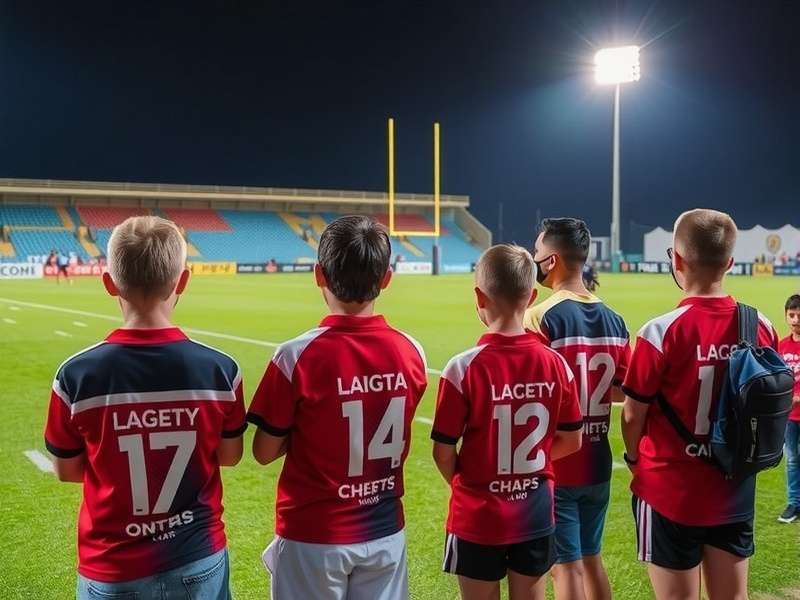
The championship has stimulated rugby infrastructure development across Kerala, with several new training facilities and renovated stadiums emerging in response to growing interest in the sport. Local businesses, particularly in hospitality and retail sectors, report significant revenue increases during tournament months.
Socially, theKochi Rugby Kings Grandhas been instrumental in challenging gender stereotypes in sports. The increasing visibility of female coaches, officials, and administrators has inspired greater female participation in rugby and other traditionally male-dominated sports throughout the region.
Looking forward, the continued growth of theKochi Rugby Kings Grandappears assured. Plans for expansion include women's and youth tournaments, international friendly matches, and digital streaming initiatives to reach global audiences. These developments promise to further cement the championship's status as a cornerstone of India's evolving sports landscape.